 THE GLOWNIQUE
Channel Letter Signs: Types, Lighting & Mounting Guide
Channel letter signs are custom 3D exterior signs fabricated from sheet metal and acrylic, powered by low-voltage LEDs. The four main styles are front-lit for daylight contrast and nighttime punch, halo-lit (reverse) for an upscale architectural back-glow, dual-lit for combined illumination, and open-face. Your choice hinges on facade type, viewing distance, and raceway vs. flush mounting.
Key takeaways
- Front-lit channel letters maximize long-distance readability using translucent acrylic faces and internal LEDs, making them the standard choice for busy retail corridors.
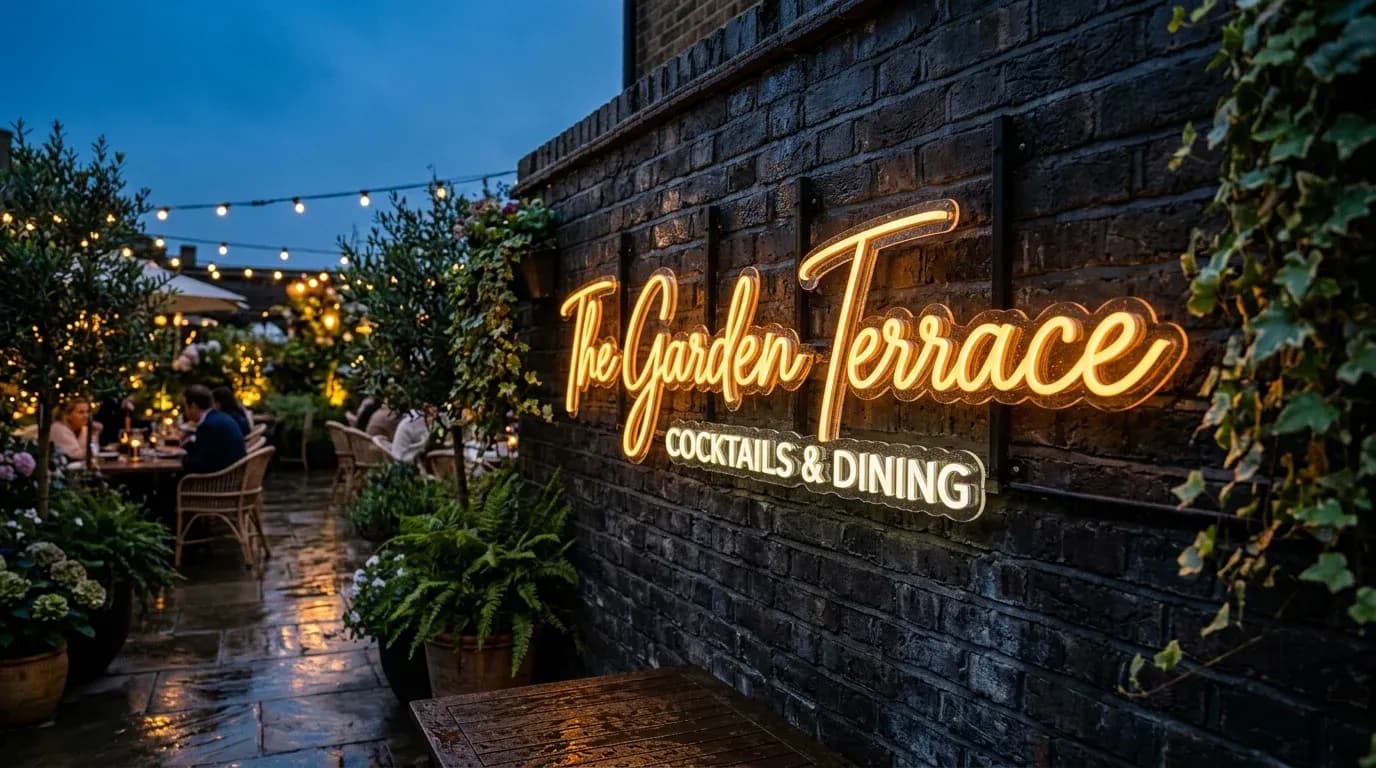
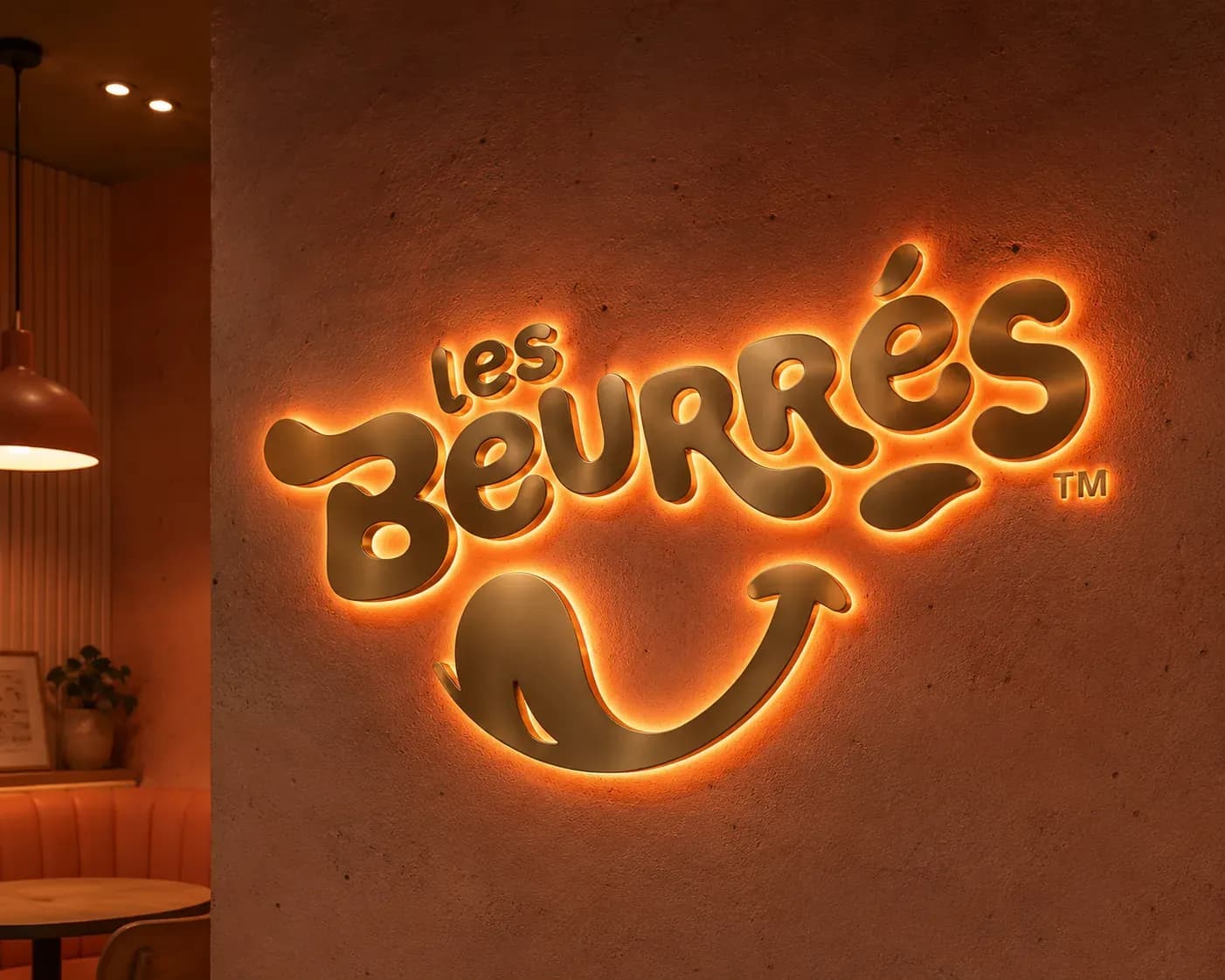
- Halo-lit (reverse) channel letters project light backward onto the mounting surface via stainless steel standoffs, creating an upscale architectural aura ideal for boutiques and restaurants.
- Dual-lit channel letters combine illuminated acrylic faces with halo backlighting, providing maximum visual contrast and high-end brand impact at night.
- Raceway mounting groups all letters and power supplies into a single pre-wired metal housing, minimizing exterior building penetrations and satisfying strict commercial landlord criteria.
- Flush (direct) mounting anchors each letter individually through the facade for a seamless look, but requires rear wall access to route Class 2 low-voltage wiring.
When you drive past a bustling commercial plaza or walk down a vibrant downtown avenue at dusk, the illuminated signs that immediately command your attention are almost always channel letter signs. These custom-fabricated, three-dimensional letters are the gold standard for exterior business storefronts, providing unbeatable brand visibility, architectural depth, and crisp illumination day and night.
However, specifying a channel letter sign for your business involves critical design and engineering choices. From deciding between punchy front-lit letters and warm, sophisticated halo-lit (reverse) lettering, to navigating strict commercial landlord sign criteria and raceway mounting requirements, making the right decision early protects your budget and your building facade. This comprehensive workshop guide breaks down the four primary channel letter types, decodes illumination optics and LED driver engineering, compares mounting methods, and walks you through the municipal permitting process.
What are channel letter signs and how are they fabricated?
A channel letter sign is a custom-made three-dimensional graphic sign element fabricated from sheet metal (typically aluminum or stainless steel) and impact-resistant acrylic, housing internal low-voltage LED illumination modules. Unlike flat dimensional letters or printed panel signs, each letter in a channel letter assembly is an individually enclosed, hollow structural housing—a "channel"—engineered to cast light forward, backward, or in both directions.
In our workshop, fabricating architectural-grade channel letters requires five core structural components:
- The Face: The front surface of the letter. For front-lit styles, the face is CNC-routed from heavy-duty 3/16-inch cast acrylic, which can be left translucent white or customized with translucent pigmented vinyl overlays to match precise corporate brand colors. For reverse (halo-lit) signs, the face is fabricated from solid, opaque sheet metal.
- The Returns: The vertical sidewalls that establish the letter's 3D depth, typically ranging between 3 inches and 5 inches deep. Returns are precision-bent on automated CNC channel benders from .063-inch or .090-inch architectural aluminum sheet (conforming to ASTM B209 standards) or welded marine-grade 304/316 stainless steel.
- The Back: The rear enclosure of the letter. In standard front-lit letters, the back is solid aluminum routed to the exact letter outline. In halo-lit letters, the back is clear, optical-grade polycarbonate or transparent acrylic that allows internal LED light to flood outward onto the mounting wall.
- The Trim Cap: A high-impact, extruded butyrate plastic molding (often referred to in the industry as Jewelite or CAB trim) that mechanically bonds the acrylic face to the metal returns while creating a weather-resistant seal against moisture and dust.
- Internal LED Lighting Modules: Solid-state, energy-efficient LED modules rated IP67 or IP68 for ingress protection. These modules run on safe, regulated 12V or 24V Class 2 direct current, delivering even light distribution without hot spots or dark shadows.
The four primary types of channel letter signs
Commercial illuminated letters are classified primarily by the direction in which their internal light travels. Choosing the right configuration determines your sign's legibility distance, evening ambiance, and architectural aesthetic.
1. Front-Lit Channel Letters (Standard Face-Lit)
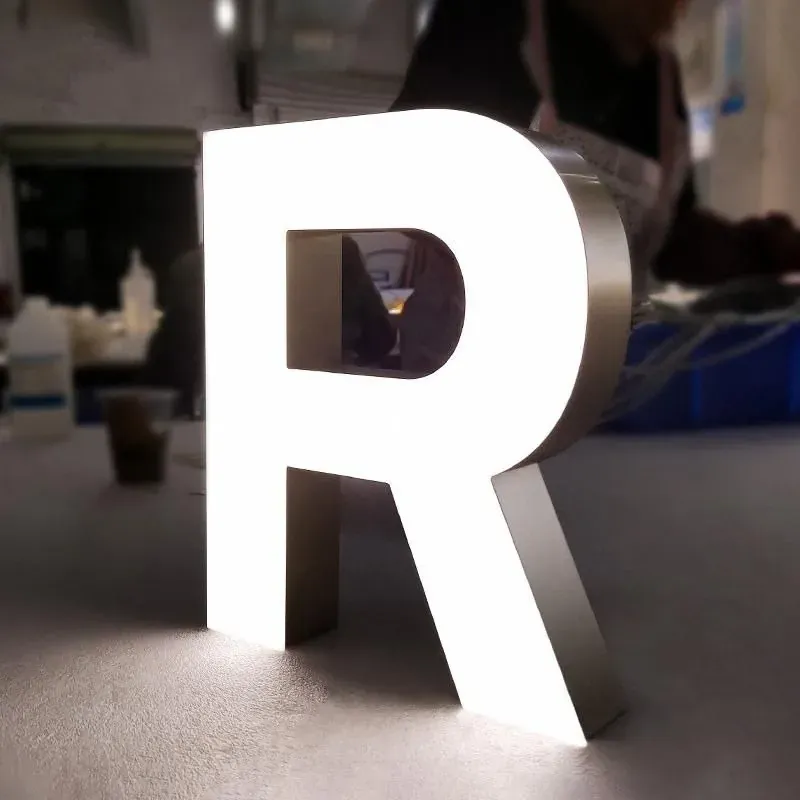
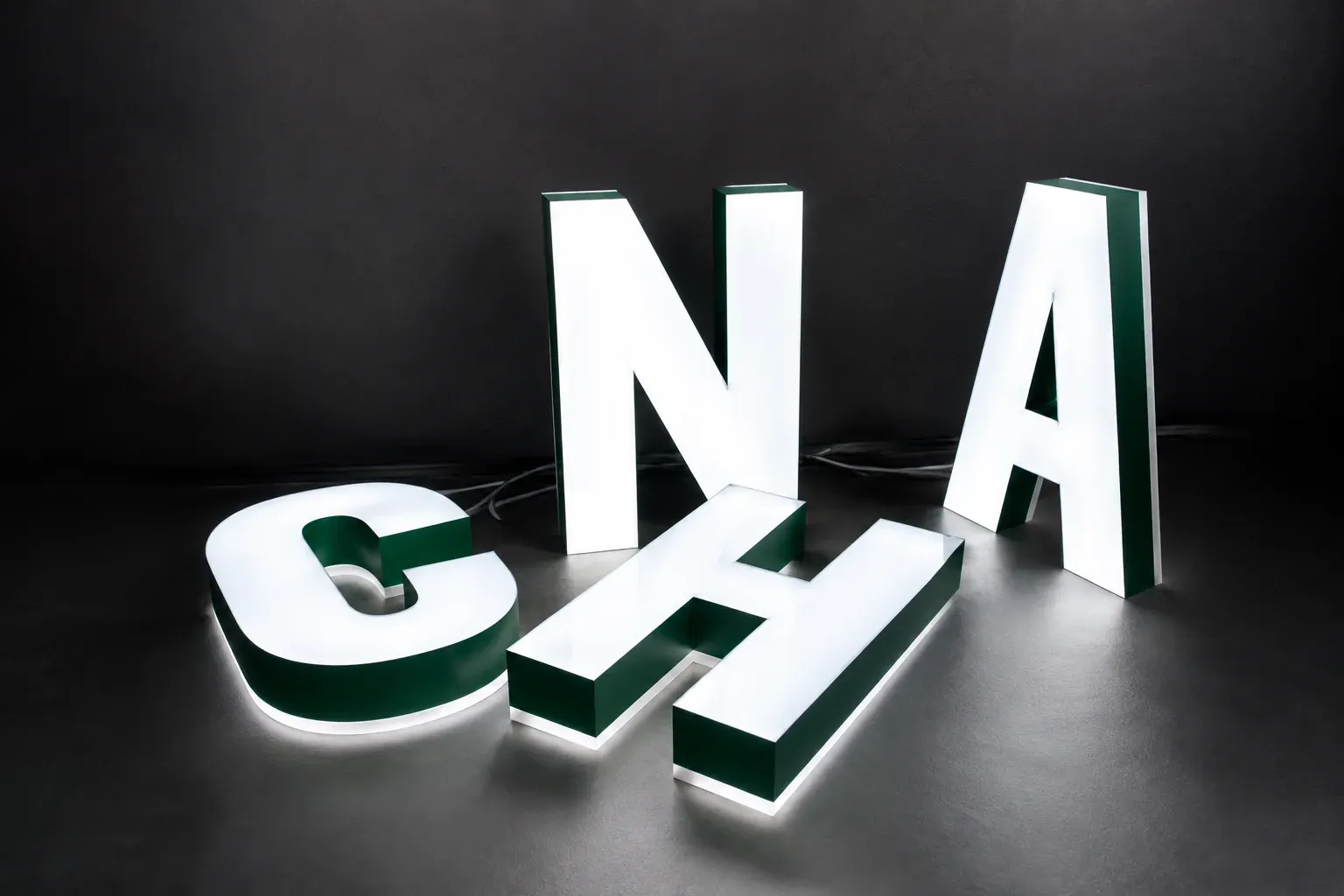
Front-lit channel letters are the most common and recognizable style in North American commercial retail. In this configuration, the metal returns and back are completely opaque, directing 100% of the internal LED illumination through the translucent acrylic face.
Because light projects straight forward toward oncoming vehicular and foot traffic, front-lit letters offer the highest daylight-to-darkness visual contrast and the longest nighttime legibility distance. They are the universal standard for grocery stores, national retail chains, fitness centers, and high-traffic highway shopping plazas. If maximum visibility from 300 or more feet away is your primary commercial goal, front-lit channel letters are the benchmark choice.
2. Halo-Lit Channel Letters (Reverse Channel Letters)
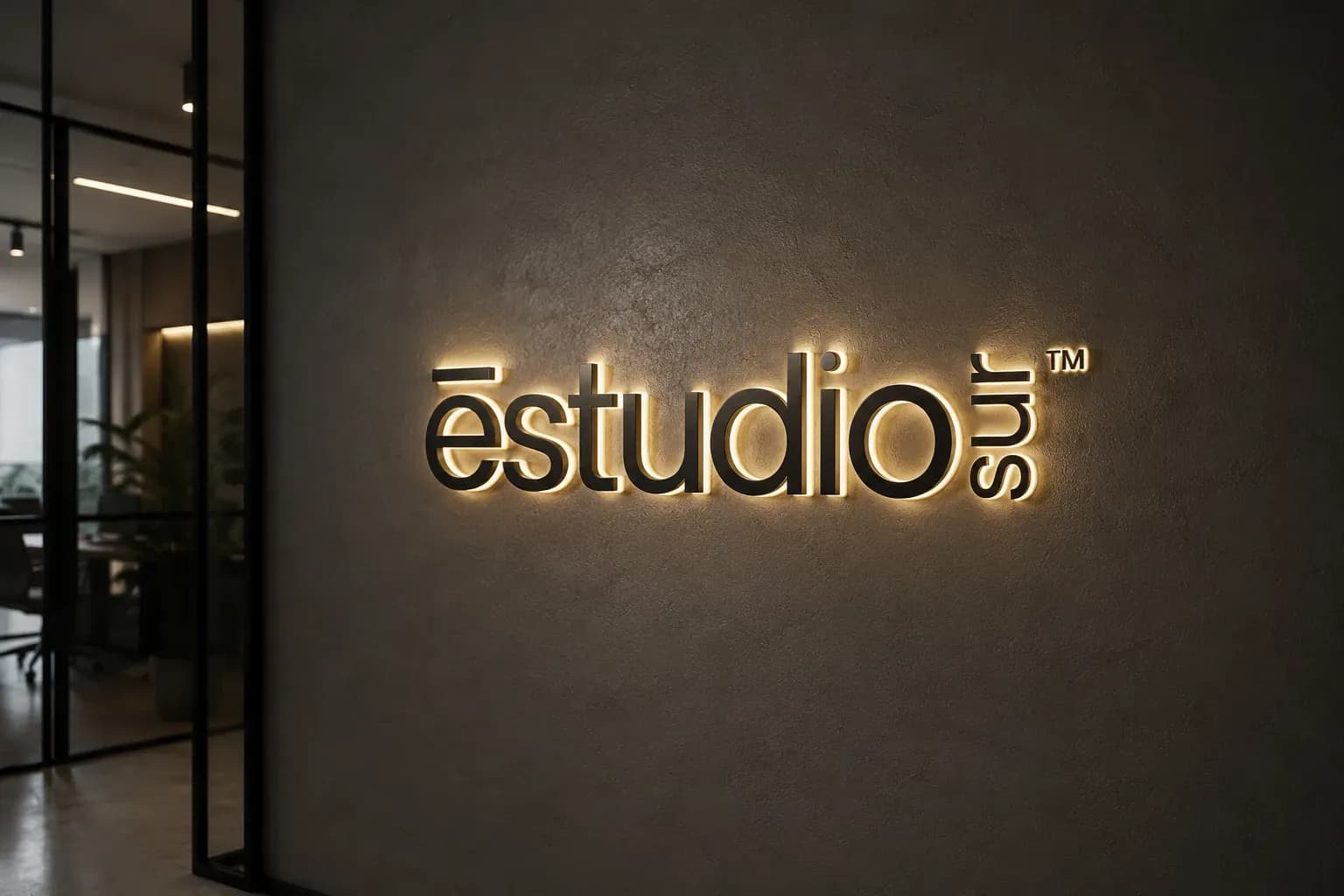
Halo-lit channel letters—frequently referred to as reverse channel letters or backlit channel letters—reverse the lighting optics entirely. The face and returns of each letter are fabricated from solid, welded aluminum or brushed stainless steel, making the front face completely opaque.
The back of the letter is enclosed with clear polycarbonate and mounted off the wall using 1.5-inch to 2-inch stainless steel standoff spacers. When the internal LEDs illuminate, light washes backward out of the open rear, bouncing off the exterior facade and creating an elegant, glowing silhouette or "halo" around each letter. Halo-lit letters produce an upscale, sophisticated architectural aesthetic favored by boutique hotels, upscale restaurants, law practices, medical spas, and corporate headquarters.
3. Dual-Lit Channel Letters (Combination Front & Back Lit)
Dual-lit channel letters combine the technical advantages of front-lit and halo-lit engineering into a single high-impact letter. Fabricated with a translucent acrylic face, solid metal returns, and a transparent optical backing mounted on standoffs, dual-lit letters emit light through both the front face and against the wall behind them simultaneously.
This allows brand designers to create stunning multi-color lighting contrast—such as a crisp white illuminated face framed by a warm amber or deep blue ambient halo. Dual-lit signage is widely specified for flagship retail locations, luxury entertainment venues, and high-end storefronts seeking maximum nighttime sophistication without sacrificing forward reading distance.
4. Open-Face Channel Letters
Historically illuminated with exposed glass neon gas tubes, modern open-face channel letters utilize heavy-duty metal returns with clear acrylic protective faces or exposed silicone LED neon flex. The returns have a prominent front lip or baffle that directs light outward while showcasing the internal neon-style stroke.
Open-face letters offer a bold, vintage mid-century aesthetic that appeals strongly to theaters, cocktail lounges, trendy pizzerias, and music venues seeking a retro or industrial ambiance.
| Channel letter type | Face construction | Return material | Optical effect | Best commercial application |
|---|---|---|---|---|
| Front-Lit (Standard) | 3/16" Cast acrylic with vinyl overlay | .063" Aluminum (painted or powder-coated) | Direct forward beam through face | Strip malls, retail plazas, highway corridors |
| Halo-Lit (Reverse) | Solid aluminum or 304 stainless steel | Welded metal return with sealed face | Back-reflecting halo aura onto wall | Boutique hotels, upscale restaurants, corporate offices |
| Dual-Lit (Combo) | Cast translucent acrylic | Welded metal return with clear back | Forward face light plus ambient halo aura | Luxury retail, flagship stores, high-end venues |
| Open-Face | Clear protective acrylic or open channel | Metal return with raised edge baffle | Direct vintage exposed stroke | Theaters, nightclubs, entertainment districts, pubs |
Illumination optics: color temperature, LEDs, and power drivers
The visual quality of your channel letter sign depends as much on internal electrical engineering as it does on sheet metal craftsmanship. Poorly spaced LEDs cause uneven brightness and visible hot spots, while incorrect color temperature can clash jarringly with your building's architectural exterior.
Choosing the right color temperature (Kelvin)
White LEDs are calibrated by color temperature along the Kelvin (K) scale, which significantly impacts how your storefront is perceived:
- 3000K (Warm White): Emits a soft, inviting golden glow reminiscent of incandescent lighting. It is the premier choice for halo-lit letters on warm brick, natural timber, or sandstone facades, creating an intimate, luxury ambiance for restaurants and boutique hospitality.
- 4000K (Neutral Architectural White): A clean, crisp white without yellow undertones or harsh blue tint. Neutral white harmonizes perfectly with contemporary commercial architecture, concrete facades, and corporate branding.
- 6500K (Cool Daylight White): A vivid, ultra-bright white with a slight cool blue cast. Cool white delivers the highest optical contrast against dark night skies, making it ideal for front-lit retail signs where long-distance legibility across parking lots is paramount.
Low-voltage Class 2 electrical engineering
Modern channel letters operate on low-voltage direct current (12V or 24V), powered by commercial-grade solid-state LED drivers (such as IP67-rated Mean Well power supplies). This represents a massive safety and efficiency leap over legacy glass neon transformers, which required hazardous high-voltage circuits operating between 6,000 and 15,000 volts.
Low-voltage LED systems are classified as Class 2 circuits under National Electrical Code (NEC Article 600) and UL 48 standards. They draw approximately 75% to 80% less electrical power than traditional neon or fluorescent sign cabinets, emit minimal operating heat, and have an operating lifespan exceeding 50,000 hours of continuous commercial runtime.
Mounting methods: raceway mount vs flush mount
How your channel letter sign attaches to your building facade is one of the most critical structural decisions you will make. Your building's landlord sign criteria package and wall construction will dictate which of the two primary mounting methods you must use.
Raceway mounting: the landlord favorite
A raceway is a pre-fabricated, low-profile rectangular aluminum enclosure (typically 4.5 inches wide by 7 inches high) that serves as both a mounting rail and an electrical housing. In a raceway installation:
- Pre-assembled structural rail: All individual channel letters are pre-mounted, aligned, and wired to the front of the aluminum raceway in our workshop.
- Internal electrical housing: All internal power supplies, secondary low-voltage wiring, and electrical disconnect switches are housed safely inside the hollow raceway enclosure.
- Minimal wall penetrations: The entire assembled sign is anchored to the building facade using only three or four structural lag bolts, requiring only a single electrical hole for primary 120V line power.
The primary benefit of raceway mounting is minimal facade damage. When a tenant vacates a commercial space, patching three mounting holes is vastly simpler and cheaper than repairing dozens of penetrations. For this reason, the vast majority of shopping center landlords and commercial property managers strictly mandate raceway mounting in their tenant lease agreements. Raceways are painted or powder-coated to match the exact exterior building wall color, allowing the mounting box to blend discreetly into the architectural backdrop.
Flush mounting (direct to wall): the architectural ideal
In a flush mount (or direct mount) installation, each individual channel letter is anchored directly into the building facade with no visible mounting box.
- Individual letter anchoring: Each letter features welded rear mounting studs that slip into drilled masonry anchors on the wall surface.
- Precision standoff clearance: For halo-lit letters, precision aluminum or stainless steel standoff sleeves hold each letter 1.5 inches to 2 inches off the wall to allow the halo glow to expand evenly.
- Rear plenum wiring: Low-voltage power wires pass directly through the exterior facade behind each letter into the interior wall cavity or ceiling plenum, keeping all power drivers out of sight.
Flush mounting delivers an exceptionally clean, high-end architectural aesthetic because the letters appear to float organically on the exterior stone, brick, or stucco. However, flush mounting requires accessible space behind the wall to complete electrical hookups and requires multiple through-wall penetrations (typically 3 to 5 holes per letter). If your lease allows direct mounting and your building has drop-ceiling plenum access, flush mounting provides an unmatched luxury finish.
Sizing and viewing distance: the 1-inch rule of thumb
A common mistake business owners make when ordering exterior signage is choosing letters that look generous on a computer mockup but become illegible from the roadway. Calculating proper letter dimensions requires understanding the relationship between letter height, travel speed, and viewing distance.
Signage engineers reference the United States Sign Council (USSC) On-Premise Sign Legibility Index:
- Daylight Legibility Rule: Standard dimensional letters require approximately 1 inch of letter height per 25 to 30 feet of viewing distance during daytime viewing.
- Nighttime Illuminated Legibility Rule: Because illuminated channel letters create an active optical contrast against dark surroundings, high-contrast front-lit letters maintain comfortable readability at approximately 1 inch of letter height per 35 to 40 feet at night.
- Traffic Speed Adjustment: When viewers travel in automobiles at 35 to 45 mph, human reaction time requires larger letter sizing. For storefronts set back 100 feet from a four-lane suburban road, letters should stand at least 15 to 18 inches tall to allow drivers sufficient time to read, recognize, and safely navigate toward the entrance.
When designing your sign, always balance uppercase and lowercase letterforms. While all-caps lettering maximizes total square footage, mixed-case text with distinct ascenders and descenders is often recognized more rapidly by the human eye at speed.
Landlord criteria, municipal permits, and compliance
Before ordering custom channel letters, you must satisfy two regulatory gatekeepers: your commercial landlord and your local municipal zoning department.
1. Landlord Sign Criteria Package
Every commercial development, retail plaza, and corporate office park operates under a formal Sign Criteria Document. This document governs:
- Permitted mounting configurations: Dictates whether flush mounting is allowed or if a low-profile raceway is strictly mandatory.
- Maximum allowable square footage: Typically calculated as a percentage of your storefront linear frontage (e.g., 1.5 square feet of sign per 1 linear foot of leased facade).
- Approved illumination styles: Many upscale centers prohibit exposed-fastener front-lit signs and require halo-lit letters.
- Aesthetic and finish guidelines: Restrictions on acrylic face colors, return finishes, or flashing/animating sequences.
Always submit your architectural mockup to your landlord for written authorization before commencing fabrication.
2. Municipal Sign Permits & Electrical Code Compliance
Virtually every city and county in the United States and Canada requires a commercial building and electrical permit before an illuminated exterior sign can be installed on a building facade. Municipal inspectors verify:
- UL 48 Certification: Electric signs must bear a recognized testing laboratory label (such as UL or ETL) certifying that all internal components, wiring, and enclosures conform to fire and shock safety standards.
- NEC Article 600 Compliance: Requires accessible electrical disconnect switches located on or within sight of the sign assembly, proper grounding, and Class 2 wiring isolation.
- Zoning Setbacks & Night Nit Limits: Many municipalities enforce dark-sky ordinances that restrict the maximum lumen output or nits of exterior commercial signage between 11:00 PM and dawn to prevent light pollution in nearby residential zones.
In our workshop, every channel letter sign is engineered to satisfy UL 48 standards and NEC guidelines, simplifying the permit approval process for your local installation team.
Next steps: getting your architectural channel letter mockup
Choosing the right channel letter configuration transforms your commercial storefront from an unnoticed facade into an iconic local landmark. Whether your brand requires high-visibility front-lit letters for a busy retail corridor or the understated architectural elegance of halo-lit stainless steel, precision fabrication makes all the difference.
If you are planning an upcoming storefront renovation, opening a new commercial location, or replacing an outdated sign cabinet, our design team provides a free architectural vector mockup and dimensioning plan within 24 hours.
Explore our custom commercial channel letter signs to review detailed material specifications, or submit your vector logo to receive an itemized proposal engineered for your storefront facade. For a side-by-side technical comparison of illumination options, review our in-depth guide on front-lit vs. halo-lit vs. dual-lit channel letters before finalizing your sign brief.
Frequently asked questions
- What is the difference between front-lit and reverse channel letters?
- Front-lit channel letters feature translucent acrylic faces that project light straight forward toward the viewer, maximizing long-distance readability. Reverse channel letters (halo-lit) feature solid, opaque metal faces and clear open backs mounted on standoffs; their internal LEDs project light backward against the wall, creating an architectural silhouette and glowing halo aura.
- Are channel letter signs waterproof and suitable for outdoor weather?
- Yes. Professional channel letter signs are specifically engineered for permanent outdoor exterior installation. Returns and backs are fabricated from rust-proof aluminum or marine-grade stainless steel, acrylic faces are sealed with durable trim capping, and internal LED modules are hermetically potted to IP67 or IP68 waterproof standards to withstand heavy rain, snow, and extreme temperatures.
- Do channel letter signs require a special municipal permit?
- Yes. Most municipal building and zoning departments require an approved sign permit before mounting an illuminated sign on a commercial building facade. Applications typically require an engineering blueprint showing letter dimensions, electrical specifications, UL certification, structural wall fasteners, and a site plan detailing building frontage.
- How much electricity does a channel letter sign use?
- Modern channel letters powered by solid-state low-voltage LEDs are exceptionally energy efficient. A typical storefront channel letter sign containing 8 to 12 letters draws only 60 to 150 watts of total electrical power—comparable to one or two traditional household lightbulbs. Running an LED channel letter sign for 10 to 12 hours every evening adds only a modest sum to a monthly commercial utility bill.
- Can channel letters be mounted on brick or uneven stone walls?
- Yes, but the mounting substrate dictates the approach. On rough-faced split stone or uneven masonry, raceway mounting or backer-plate mounting is strongly recommended because the raceway provides a flat, level mounting surface for the letters while requiring only a few anchor penetrations into solid mortar joints. Flush mounting on rough stone is possible but requires custom standoff leveling on every individual letter stud.
Sources
- UL 48: Standard for Electric Signs — Underwriters Laboratories (accessed 26 October 2026)
- NFPA 70: National Electrical Code (NEC) Article 600 - Electric Signs and Outline Lighting — National Fire Protection Association (accessed 26 October 2026)
- ASTM B209: Standard Specification for Aluminum and Aluminum-Alloy Sheet and Plate — American Society for Testing and Materials (accessed 26 October 2026)
- United States Sign Council (USSC): On-Premise Sign Sizing & Legibility Guidelines — United States Sign Council (accessed 26 October 2026)
Turn the idea into a sign
Send us your logo, words or a rough sketch and we'll come back with a free digital mockup and a quote for your exact size — before anything is built.